7 Cargo Types You Can't Just Load Onto a Regular Curtain-Side Truck
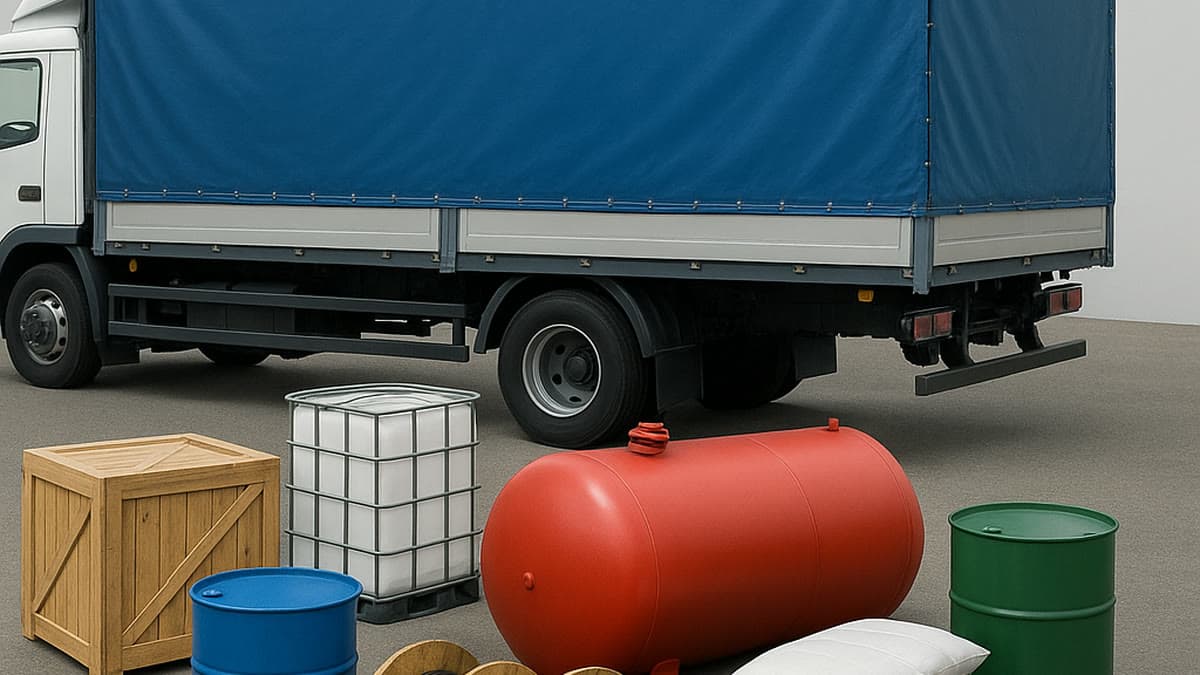
Why Not Every Cargo Suits a Regular Curtain-Side Truck
At first glance, a curtain-side truck looks like universal transport: open the side curtain, load the goods, and hit the road. But this is exactly where problems often arise: the cargo doesn't fit the dimensions, exceeds the permitted weight, or needs a type of securing that a standard semi-trailer simply can't provide. That's why, before booking a shipment, it's important to find out whether a specific item can really be safely placed inside a regular curtain-side semi-trailer.
What a Standard Curtain-Side Truck Looks Like
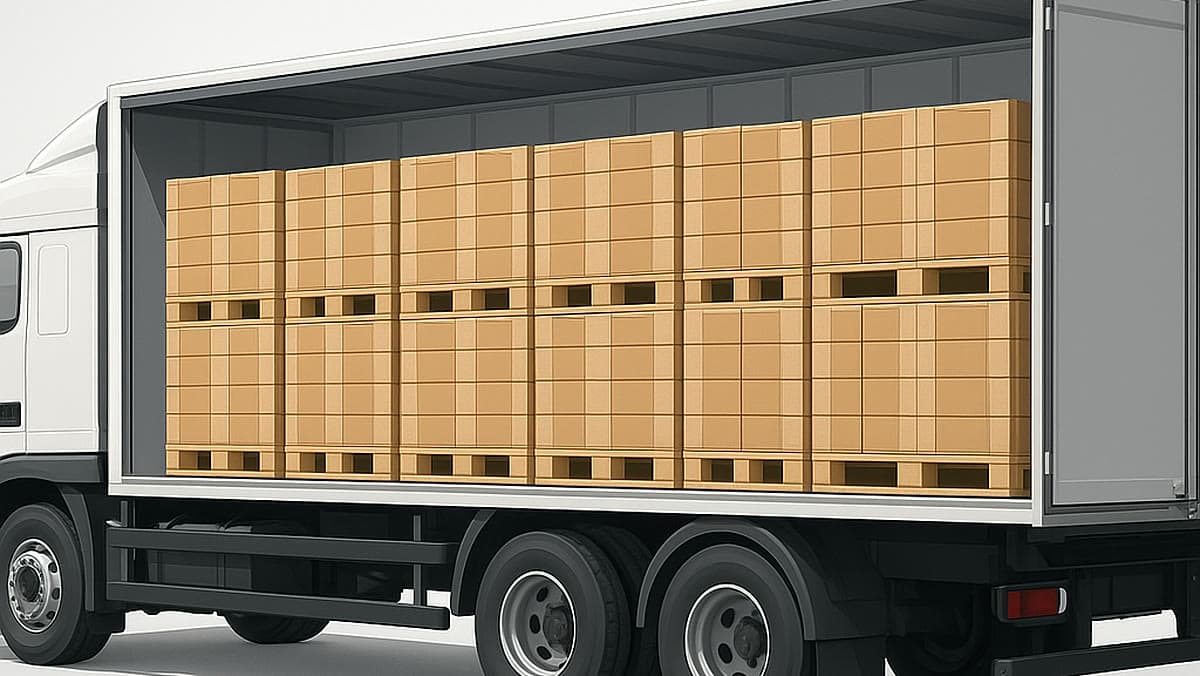
A standard curtain-side semi-trailer usually has an internal length of about 13.6 m, a width of roughly 2.45 m, and a height of up to 2.7 m. The actual parameters depend on the trailer model, roof design, floor type and the carrier's requirements. The approximate payload is usually 20–24 tonnes, but the final limit is set by the technical specifications of the specific vehicle, the distribution of weight across the axles, and legal regulations.
The tarpaulin protects the cargo from direct rain, snow, dust and sun, but it doesn't turn the semi-trailer into a sealed container. Old or damaged material can let moisture through, and while the sides or roof are open the goods are temporarily left unprotected. Moisture-sensitive cargo needs extra packaging, a waterproof film, or a different type of body.
Dimensions, Weight and Loading Method All Matter
A curtain-side truck is convenient because it allows rear, side and top loading. A ramp, forklift or crane is used for this. However, being able to load goods through the side doesn't mean any item can be safely carried inside.
- The cargo must not exceed the permitted internal dimensions without arranging an oversized transport permit.
- The total weight and axle loads must comply with technical and road restrictions.
- Tall, long or non-standard items may require an open platform or a special permit.
- The weight must be distributed evenly so as not to create a dangerous imbalance.
Why Securing Matters More Than Simply Fitting Inside
Even cargo that physically fits inside the body can't be considered fit for transport without reliable fixing. During braking, turning and driving on uneven roads, items shift. For this, straps, chains, chocks, anti-roll bars and other means compatible with the weight and shape of the cargo are used.
If the item has an irregular shape, a high centre of gravity, a smooth surface, or a significant point load, standard straps may not be enough. That's exactly why cargo that can't be loaded onto a curtain-side truck is defined not only by size, but also by the requirements for safe placement, protection and securing.
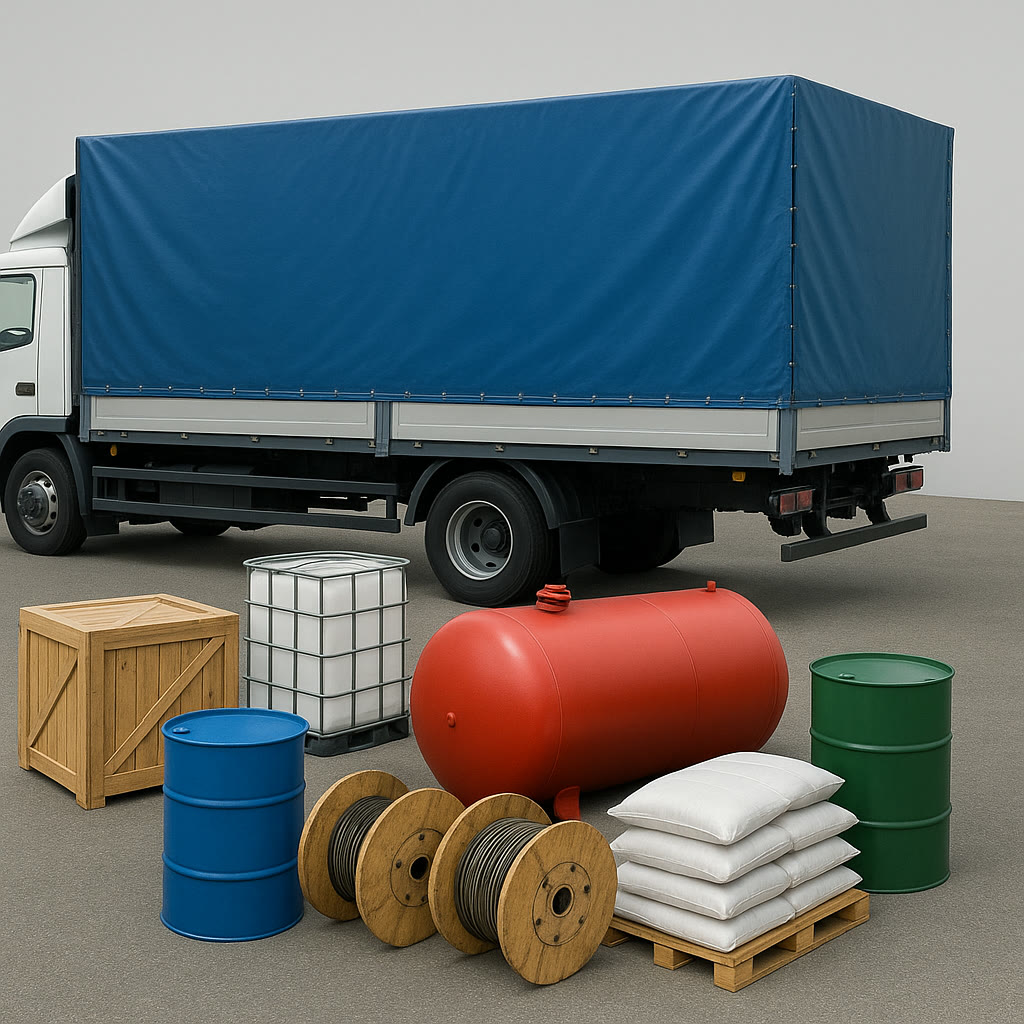
7 Types of Cargo You Can't Just Load Onto a Curtain-Side Truck
1. Oversized Structures and Long Elements
This category includes metal trusses, industrial frames, large tanks, bridge sections, construction modules and other items that exceed the internal length, width or height of the semi-trailer. Even if the structure partly fits inside the body, its protruding parts can pose a danger to other road users.
Such shipments often require an open platform, a low-bed low-loader, or an extendable semi-trailer. It's also necessary to check the route in advance, arrange permit documents, mark protruding parts and, if needed, organise an escort. Trying to "fit" the structure under a tarpaulin on your own can damage both the cargo and the trailer itself.
2. Extra-Heavy Items, Dangerous Substances and Temperature-Sensitive Cargo
Industrial equipment, machine tools, transformers, generators and massive concrete products can exceed the permitted payload or create excessive point loads on the floor. Here, not only the total weight matters, but also how it's distributed. Loading often requires a crane, a reinforced platform, special supports and a securing calculation.
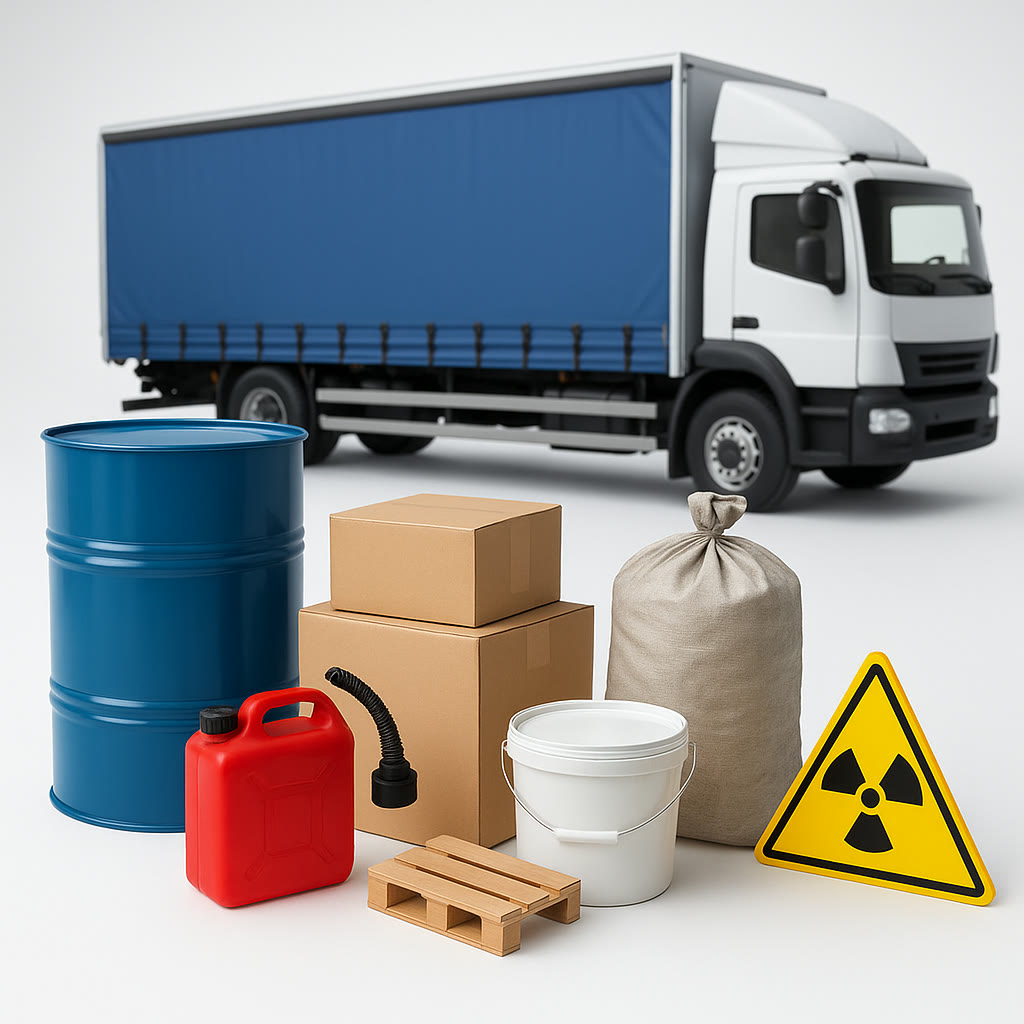
Dangerous substances — fuel, gases, flammable liquids, chemicals and some batteries — are transported under separate rules. A regular curtain-side semi-trailer doesn't automatically meet the requirements for marking, documentation, cargo compatibility and safety equipment. A carrier is needed that holds the relevant authorisation and has prepared vehicles and staff.
"Outward similarity between cargoes doesn't mean identical transport requirements"
A separate group consists of goods that need to be kept at a certain temperature: frozen products, fresh meat, dairy products, pharmaceuticals and some chemical materials. The tarpaulin protects against precipitation, but it doesn't cool or heat the body. These need a reefer with temperature control, and sometimes continuous logging of readings for the entire route.
3. Live Plants, Fragile Valuables and Cargo With Complex Loading
Live plants need ventilation and protection from overcooling, overheating and mechanical damage. Pots can't simply be lined up without fixing: during transit they can tip over, and branches can break. Depending on the season and the type of plant, specially equipped transport or extra packaging is used.
Glass, artworks, precision instruments, antiques and expensive electronics need cushioning, individual packaging, protection from vibration and access control. Standard straps without padding can leave marks or damage the casing.
The category of cargo that can't be loaded onto a curtain-side truck also includes items that can only be loaded from above, need special spreader beams, non-standard lifting gear, or have restrictions on tilt angle. Before booking transport, it's worth giving the carrier photos, exact dimensions, weight, centre of gravity and a description of the loading method.
"Safe transport doesn't start with choosing a vehicle, but with an accurate description of the cargo"
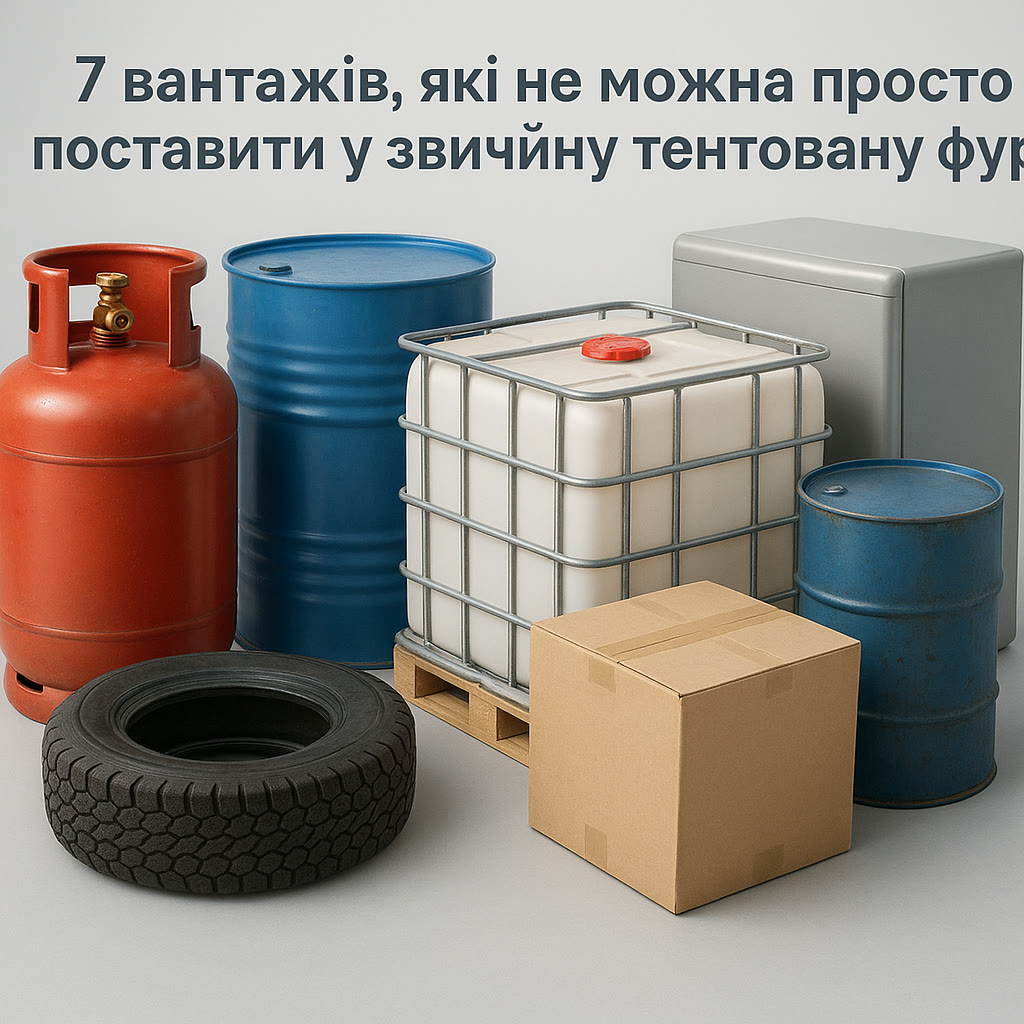
What Transport and Equipment These Cargoes Need
How to Choose Transport Based on Cargo Properties
The right transport isn't determined by body length alone. Weight, dimensions, temperature, hazard class, loading method, centre of gravity, and the need for moisture protection all matter. The same item can be transported differently under different conditions: for example, equipment sometimes fits into a curtain-side truck, but loading it requires a platform or a trailer with top-loading capability.
Before placing an order, it's worth giving the carrier precise data: length, width, height, weight of each piece, total weight, photos, a support diagram and the loading method. For cargo that can't be loaded onto a curtain-side truck without additional preparation, this information helps choose the right equipment in advance and avoid downtime at the warehouse.
| Cargo type or requirement | Optimal solution |
|---|---|
| Food, medicine, frozen goods | Reefer with temperature control |
| Oversized or long structures | Open platform or extendable semi-trailer |
| Very heavy equipment | Low-bed low-loader, reinforced platform, crane |
| Liquids, gases and dangerous chemicals | Tanker or specialised ADR transport |
When You Need a Reefer, a Platform or a Low-Loader
A reefer is used for cargo that needs a stable temperature maintained for the entire route. It's important to check the temperature range, the condition of the refrigeration unit and the ability to log readings. Simple insulation or covering with a tarpaulin isn't enough for such goods.
A platform suits structures that can't be loaded through the rear doors or fit under a standard roof. It makes top or side loading easier, but requires especially careful securing and protection of the goods from precipitation. A low-floor low-loader is chosen for heavy, tall or oversized machinery, construction equipment and industrial equipment. The route may require approvals, special signs and an escort.
"Transport must match not only the size of the cargo, but also the risks that arise while it's moving"
Special Equipment for Loading and Securing
A tanker is needed for liquids, liquefied gases, powdered and some bulk materials. Its design depends on the product's properties, and for dangerous substances, marking, documents and compatibility requirements are checked additionally.
ADR transport is used for carrying dangerous goods when required by their classification and the route rules. The vehicle must meet the established requirements, and the driver must have the necessary training.
A crane truck (manipulator) is convenient where there's no stationary crane or loading ramp. For very large and heavy items, a separate mobile crane may be needed. After placement, chains, straps of appropriate load capacity, chocks, wooden spacers and anti-roll devices are used. The securing scheme should be chosen based on weight, shape and centre of gravity — not on the principle of "the more straps, the safer".
What to Check Before Booking a Shipment in Ukraine
1. Record the Cargo's Parameters and Requirements
Before looking for a carrier, prepare a full description of the cargo. The item's name alone isn't enough: choosing the right transport requires exact dimensions, weight and packaging features. If the cargo consists of several pieces, specify the parameters of each one separately, as well as the total weight of the batch.
- length, width, height and weight of each piece;
- centre of gravity, presence of protrusions and fragile parts;
- requirements for temperature, ventilation, protection from moisture and sun;
- hazard class, if chemicals, fuel or batteries are involved;
- packaging type, tie-down points and the permitted position during transport.
Add photos, drawings or a placement diagram to the request. This is especially important when it comes to cargo that can't be loaded onto a curtain-side truck without special equipment. The carrier will be able to determine in advance whether a platform, low-loader, reefer, tanker, crane truck or crane is needed.
2. Check the Documents, Route and Permit Requirements
For ordinary commercial cargo, shipping documents, sender and recipient details, a description of the goods and vehicle documents are usually needed. For dangerous substances, the requirements for transporting dangerous goods, marking, instructions and driver training are additionally checked. The list of documents depends on the cargo's properties, the route and the terms of the contract.
If the cargo has excessive dimensions or weight, the route is agreed taking into account restrictions on roads and bridges, the height of structures, the width of the passage and the condition of the surface. Such transport may require special permits, a set time for movement, an escort, or approval from relevant authorities. Don't rely solely on the carrier's verbal promise: ask them to explain exactly who arranges the documents and is responsible for having them.
3. Agree on Loading, Insurance and Liability
In the contract or the booking request, record the address, the date and time of arrival, the type of vehicle, and the method of loading and unloading. Separately state who provides the forklift, crane, ramp, slings and securing equipment. It's also necessary to determine who checks the packaging, seals the trailer, and is responsible for damage during each stage of the work.
Check the carrier's registration details, their experience working with similar goods, and the validity of their insurance coverage. The carrier's standard liability may have limits and exclusions, so for expensive equipment, fragile products or dangerous cargo it's worth separately discussing cargo insurance.
Before work begins, agree on the procedure in case of delay, accident, route change or packaging damage. All arrangements are better put in writing. Such a checklist will help reduce risks and keep the transport of non-standard cargo from turning into unexpected costs.
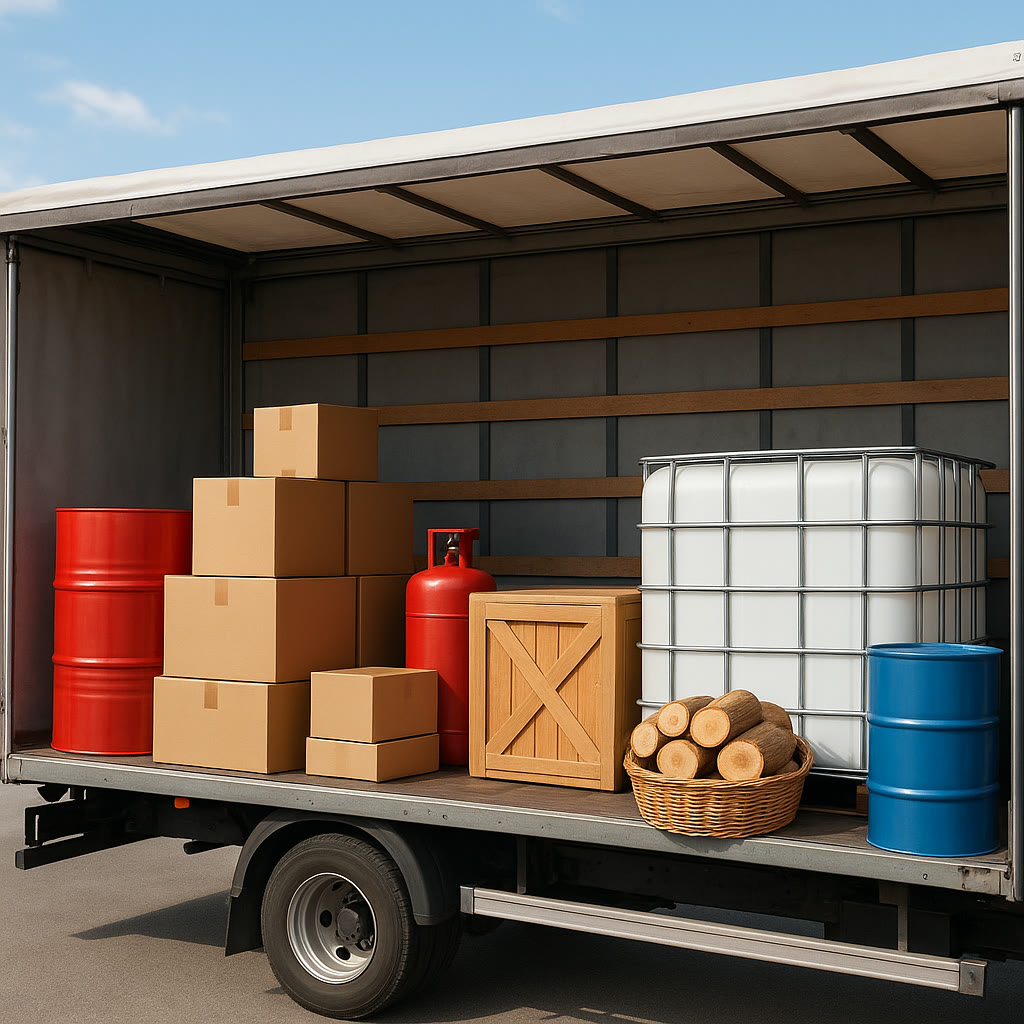
Frequently Asked Questions About Cargo That Can't Be Loaded Onto a Curtain-Side Truck
Can Long Cargo Be Transported in a Curtain-Side Truck?
Sometimes long cargo can be placed in a standard semi-trailer if it fits entirely within the internal dimensions and doesn't prevent the tarpaulin from being safely closed. However, the mere fact that an item can physically be put inside doesn't mean it's permitted to be transported that way. It's important to take into account length, width, height, weight, centre of gravity and the possibility of reliable securing.
If the cargo protrudes beyond the body or can't be loaded through the standard doors, a platform, an extendable semi-trailer or other specialised transport is usually considered. Protruding or oversized items may require special markings, route approval, permit documents and an escort. The exact decision is made after measuring the cargo and checking the route.
How Is Oversized Cargo Determined and Who Is Responsible for Securing It?
Oversized status is determined by the actual dimensions and weight of the road train with the cargo in transport position. The total length, width, height, axle loads and other parameters are compared with the established limits for roads and the specific route. It's important to take into account not only the item itself, but also packaging, pallets, supports and fixing equipment.
Securing responsibilities should preferably be written directly into the contract or the transport booking request. In practice, the sender is usually responsible for proper packaging and preparation of the cargo, while the carrier is responsible for safe placement, fixing and the condition of the vehicle, if it's the carrier who performs this work. If a warehouse or a third-party crew handles the securing, the responsible parties and the verification procedure should be recorded separately.
Before departure, it's worth inspecting the straps, chains, chocks and tie-down points, as well as photographing the cargo. This helps confirm its condition and the way it was placed at the moment of acceptance.
Can Dangerous or Temperature-Sensitive Goods Be Transported in a Curtain-Sider?
Dangerous substances may only be transported subject to compliance with the requirements set for the relevant hazard class. A regular curtain-side truck doesn't automatically become specialised transport. An ADR authorisation, appropriate marking, special documents, a trained driver, safety equipment and a check of the compatibility of different substances may be needed.
Temperature-sensitive goods can only be transported in a curtain-sider when they don't need constant temperature control and the goods' condition allows it. The tarpaulin mainly protects against precipitation, but it doesn't maintain stable cold or heat. Frozen products, medicines, fresh produce and other sensitive goods need a reefer with the appropriate temperature regime.
"If cargo has special storage conditions, they need to be provided not in words, but through the technical capabilities of the transport"
So, cargo that can't be loaded onto a curtain-side truck is defined not only by appearance. What's key is safety, the legality of the route, the loading method, protection of the goods, and the carrier's ability to confirm proper delivery conditions.
Conclusion: A Curtain-Side Truck Isn't Suited to Every Shipment
A regular curtain-side truck really is a universal solution for many standard palletised and unit cargoes, but its capabilities aren't limitless. Oversized structures, extra-heavy equipment, dangerous substances, temperature-sensitive goods, live plants, fragile valuables and cargo with a complex loading method require additional assessment or special transport.
The main risks arise when the transport is chosen solely on the principle of "as long as it fits." Insufficient payload, incorrect weight distribution, weak securing, lack of a temperature regime, or non-compliance with dangerous substance requirements can lead to damage to the goods, delays en route, fines and danger to people. The tarpaulin also doesn't guarantee a watertight seal and doesn't replace a reefer, a tanker, a platform or a low-loader.
That's why cargo that can't be loaded onto a curtain-side truck needs to be determined by specific characteristics: dimensions, weight, centre of gravity, properties of the goods, loading method and protection requirements. Before booking a shipment, it's worth preparing accurate data, checking the route and documents, and agreeing on responsibility for securing, loading, unloading and insurance. The lowest price doesn't always mean the best offer: correctly chosen transport helps avoid downtime, extra costs and dangerous situations.

Related posts

Do you have cargo or transport?
Post your offer — and find the right partner today.