What Changed in eCherha for Trucks in 2026
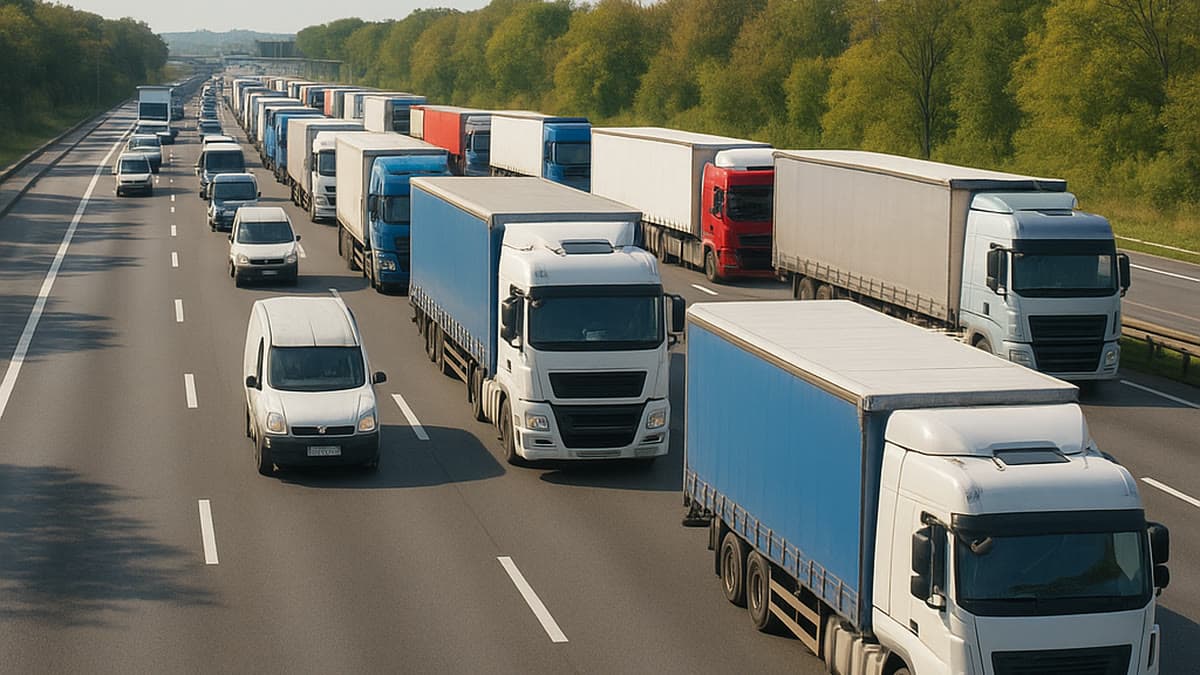
What Changed in eCherha for Trucks in 2026
What changed in eCherha (Ukraine's electronic queue system for trucks at the border) for trucks in 2026? The main trend is less paper "lottery" and more actions through the online account: the carrier chooses the checkpoint in advance, registers the vehicle, and tracks its status in the system. Below is a brief overview of the procedures that matter for Ukrainian international carriers, along with the rules to check before departure.
| What to check | What it means in practice |
|---|---|
| Registration in eCherha | Without correct data, the truck may not enter the electronic flow. |
| Status and call-up | You need to watch for notifications and arrive at the checkpoint on time. |
| Documents | The electronic record does not cancel the requirements of customs, border guards, and control services. |
This material is intended for carriers, freight forwarders, and drivers crossing the border by truck from Ukraine. It does not replace an individual check of documents or official notices from the State Border Guard Service, customs, and the Ministry for Communities and Territories Development.
More digital steps before arriving at the border
In 2026, eCherha effectively works as the main digital tool for planning border crossings for trucks at checkpoints connected to the system. The carrier or an authorized person enters data about the vehicle, the driver, the direction of travel, and selects the checkpoint. An error in the vehicle's plate number or documents can lead to a delay, so the information should be checked before the application is submitted.
An important change for day-to-day work is the need to regularly track the electronic status. The mere fact of registration does not mean the truck has already received permission to enter the checkpoint. The system may show the position in the queue, an estimated waiting time, or a call to cross.
Rules a driver cannot ignore
The electronic queue does not cancel physical control. The driver must arrive on time, have valid documents for the vehicle, the cargo, and the transport, and comply with the requirements of the specific checkpoint. If the vehicle has not arrived after being called, is late, or the data does not match the facts, the record may be rescheduled or cancelled in accordance with the current procedure.
- check that the truck's and trailer's plate numbers are correct;
- make sure the driver's and cargo's documents are valid;
- watch for notifications in the system;
- do not set out without allowing extra time to reach the checkpoint.
It is also worth noting that slot availability, the call-up order, and technical rules can differ depending on the direction and checkpoint. So before a trip, check the current announcements in eCherha and on the official resources of the Ukrainian border and customs authorities.
What this means for the carrier in 2026
Now trip planning begins not at the barrier, but in the electronic system. Responsibility shifts from "stand and wait" to accurately entering data, monitoring status, and meeting arrival times. For companies, this means the need to assign an employee who tracks applications, and for drivers, to stay constantly reachable. The queue has gone digital, but patience, unfortunately, still doesn't load with one click.

New Rules for Booking and Crossing the Border
How a carrier registers in eCherha in 2026
In 2026, registering a truck in eCherha begins with an electronic application in the system. The carrier or their authorized employee selects the direction of travel and the checkpoint, then enters data about the vehicle, the driver, and the shipment. Slot availability depends on the specific checkpoint, the border's workload, and the current rules for the relevant type of transport.
The main thing that changed in eCherha for the carrier's daily work is the need to carefully manage the application, not just get a number and wait. The electronic record needs to be checked, updated if necessary, and tracked until the actual call-up. The system does not replace customs clearance or border control: it determines the order in which the vehicle arrives at the checkpoint.
"An electronic application is not a permit to cross the border, but a record in the digital queue"
Usually, filing an application requires:
- the state plate number of the truck and the trailer or semi-trailer;
- the driver's details and identity document;
- information about the carrier, the direction, and the checkpoint;
- details of the cargo and documents for international transport, if the system requires them;
- contact details for receiving notifications.
How a slot is confirmed and when you need to go
After submitting an application, the carrier sees its status in the personal account or receives a notification through the channels provided by the system. Only a record with the corresponding status in eCherha should be considered confirmed. A draft, an application in processing, or a record with incorrect data does not guarantee the ability to enter the checkpoint.
The driver needs to arrive at the specified place and within the time set by the system or the rules of the specific checkpoint. Being late creates the risk of losing your position, having the application rescheduled, or needing to register again. So you should factor in the time to reach the checkpoint, document checks, curfew restrictions in certain regions, and possible changes in the road situation.
"The most common practical mistake is checking the application once and never opening the account again"
What can get an application cancelled or rejected
Grounds for problems can include a mismatch between the data in the application and the actual data of the vehicle, trailer, or driver. There is also a risk if the vehicle did not arrive at the set time, the carrier submitted duplicate records, or tries to use the application for another vehicle.
Before departure, it is worth re-checking the plate numbers, the driver's, cargo's, and carrier's documents, as well as the current status of the application. Technical rules, available functions, and the procedure in case of a delay can vary between checkpoints, so final information should be taken from eCherha and official notices from the competent authorities.

How Queue Distribution at Checkpoints Has Changed
Why queues are distributed differently
In 2026, truck movement across the border depends not only on the position in eCherha. What still matters is the type of checkpoint, its capacity, the list of available procedures, and the situation on the adjacent side of the border. One checkpoint may accept trucks around the clock, while another may operate with restrictions by cargo type, dimensions, or clearance mode.
What changed in eCherha for the carrier is that the queue has become more tied to the specific direction and the actual capacity of the checkpoint. Electronic registration does not merge all vehicles into one conditional list: the transport enters the flow of a specific checkpoint, and then goes through control under the rules that apply there.
Trucks also should not be compared to buses or passenger cars. Separate lanes, time windows, types of control, and electronic procedures may apply to them. The presence of freer lanes for another category of transport does not mean the truck will be let through faster.
"A position in the electronic queue shows your place in a certain flow, but does not guarantee an exact border-crossing time"
Priorities and restrictions for freight transport
On certain directions, special rules may apply for defined categories of shipments. This concerns, in particular, humanitarian cargo, critical-purpose goods, or transport for which a separate clearance procedure is provided. However, this status does not arise automatically just because of the cargo type. It must be confirmed with documents and processed in accordance with current requirements.
The carrier must also account for restrictions at the specific checkpoint:
- temporary suspension or restriction of movement due to repairs, technical works, or the security situation;
- a separate procedure for oversized and overweight vehicles;
- restrictions for dangerous goods or special types of shipments;
- the need for additional verification of documents for the cargo or vehicle.
If a checkpoint is overloaded, the system may show a longer waiting forecast even for a correctly completed application. This is related not only to the number of vehicles in eCherha, but also to the working speed of customs, border control, veterinary or phytosanitary services, and the pace of clearance on the neighboring state's territory.
How to assess waiting time
The estimated time in the system should be treated as a forecast, not a guaranteed schedule. It can change due to accidents, air raid alerts, tightened control, disruptions in information systems, or an uneven inflow of vehicles on the adjacent side.
In practice, a carrier should compare several available checkpoints, but not change direction without checking the rules and the validity of the application. Before departure, you need to review the eCherha status, notices about restrictions, and document requirements. The queue sometimes moves slowly, but it very honestly reminds you: the border is not an express checkout, even if the number is now electronic.
What a Carrier Should Do If a Slot Is Lost or the Queue Is Delayed
What to do if the driver is late for the slot
The first rule is not to drive blindly and not to create a new application until you have checked the status of the previous one. The driver or dispatcher must open the personal eCherha account, check the call-up time, position, and system notifications. If the record is still active, you need to reach the specified checkpoint as quickly as possible and follow its instructions. Being late on your own does not guarantee keeping your place: the application may be rescheduled, cancelled, or left unserved.
If the delay was caused by a road accident, breakdown, road closure, or another objective reason, keep proof: photos, a police report, a service invoice, or data on traffic restrictions. This does not restore the slot automatically, but it will help when contacting support or the carrier administering the trip.
What to do in case of a technical failure or cancellation
If eCherha does not open, notifications are not arriving, or the status is displayed incorrectly, first check your internet connection, log into the account from another device, and take a screenshot of the error. If possible, record the date, time, application number, and the vehicle's state plate number. This data is needed so the inquiry does not turn into a guessing game of "which truck are we talking about."
Next, contact eCherha's official support channel or the responsible employee at the company who submitted the application. Do not share your password with third parties and do not use dubious chats that promise to "get your place back" for a reward. If the record was cancelled by the system, first find out the reason: a data error, a missed call-up, a change in checkpoint rules, or a technical failure.
What changed in eCherha for the carrier is that the digital status has become the main proof of the application's state. So keep confirmation of registration, call-up notifications, and all support inquiries.
What to do if you need to change the route or the queue is stuck
If the route changes, first check whether the system allows editing an active application. If not, cancel it only after choosing a new checkpoint and assessing available slots. Re-registering may mean a new position in the queue, and sometimes losing the time already secured.
If the wait has become excessive, compare the situation at other checkpoints, taking into account distance, restrictions for the truck, operating hours, and cargo requirements. Do not leave the vehicle outside the designated zone without permission from the checkpoint staff. Regularly check your status, stay in touch with the dispatcher, and do not plan your next load right up against the forecast border-crossing time.
"The best plan during a delay is to record the problem, check the status, and act through the official channel, rather than losing time to rumors"

FAQ: Answers to Questions About eCherha in 2026
How to register a truck in eCherha?
How do I submit an application? The carrier or an authorized dispatcher goes to the eCherha electronic service, selects the required checkpoint and direction of travel, then enters data about the truck, the trailer or semi-trailer, the driver, and the shipment. Before confirming the application, you need to carefully check the plate numbers, documents, and contact details. An error even in a single digit can create a mismatch upon arrival.
Are all documents required during registration? The list depends on the service's functions, the type of transport, and the specific checkpoint. The electronic record does not cancel the need to have documents for the vehicle, driver, cargo, and international transport. They may be checked directly when crossing the border.
What changed in eCherha in 2026 for the carrier? What matters now is not just the fact of submitting the application, but the constant monitoring of its status. A registered record is not an automatic permit to cross the border and does not guarantee an exact time for passing control.
How to check the status and change the checkpoint?
Where can I see the application status? The information is displayed in the personal eCherha account, and the notifications provided by the system may arrive through available communication channels. It's worth checking the status before departure, en route, and after approaching the checkpoint. The estimated waiting time can change due to border workload, the work of control services, or restrictions on the adjacent side.
Can I change the checkpoint? This depends on the application's status and the service's technical capabilities. If editing is available, changes need to be made in the personal account and confirmation re-checked. If it is not possible to change an active record, cancelling the previous application and creating a new one may be needed. In that case, the carrier risks losing their current position, so you should not cancel a record without checking slot availability on another direction.
Can I change the vehicle or driver? You should not transfer the application to another vehicle or driver without the procedure's permitted change. The data in eCherha must match the actual participants in the transport, otherwise the record may not be accepted on arrival.
How to cancel an application and find out the current rules?
How do I cancel a record? If the corresponding function is available in the account, the application is cancelled independently according to its current status. After that, you need to make sure the record has actually disappeared or received cancelled status. If the button is unavailable, you should contact the service's official support, stating the application number, vehicle data, and a description of the problem.
Where can I check the conditions for trucks in 2026? Current rules need to be checked directly in eCherha, as well as on the official resources of the border service, customs, and the responsible ministry. That is where notices about temporary restrictions, changes in checkpoint operations, technical breaks, and special requirements for certain categories of shipments are published.
If the system is working unstably, save a screenshot of the error, the time of the inquiry, and the application number. This will help explain the situation to support faster and keep an ordinary trip from turning into a digital detective story.
Conclusion: How to Prepare for a Border Crossing Through eCherha
To sum up what changed in eCherha for trucks in 2026, the main emphasis should be on data accuracy, monitoring the electronic status, and timely arrival at the checkpoint. Registration in the system determines the vehicle's place in a certain flow, but does not cancel customs, border, and other types of control, and does not guarantee an exact border-crossing time.
Before a trip, the carrier should check the truck's and trailer's plate number, the driver's data, documents for the vehicle and cargo, the application status, the operating hours of the chosen checkpoint, and possible temporary restrictions. The driver must stay reachable, watch for eCherha notifications, and allow extra time to reach the checkpoint. If the route changes, you should not immediately cancel the active record: first check the availability of the new direction and the consequences of re-registration.
In case of a delay, technical failure, or unusually long wait, it is important to record the application status, the time of the error, and contact the official support channel. Do not use unverified offers to "get your place back" and do not transfer the application to another vehicle without the procedure's permitted change. The simplest approach minimizes the risk of delays: submit accurate data, check it before departure, regularly monitor the account, and build real extra time into the schedule. Checkpoint operating conditions can change, so final information before a trip should be checked in eCherha and on the official resources of the competent authorities.


Related posts




Do you have cargo or transport?
Post your offer — and find the right partner today.