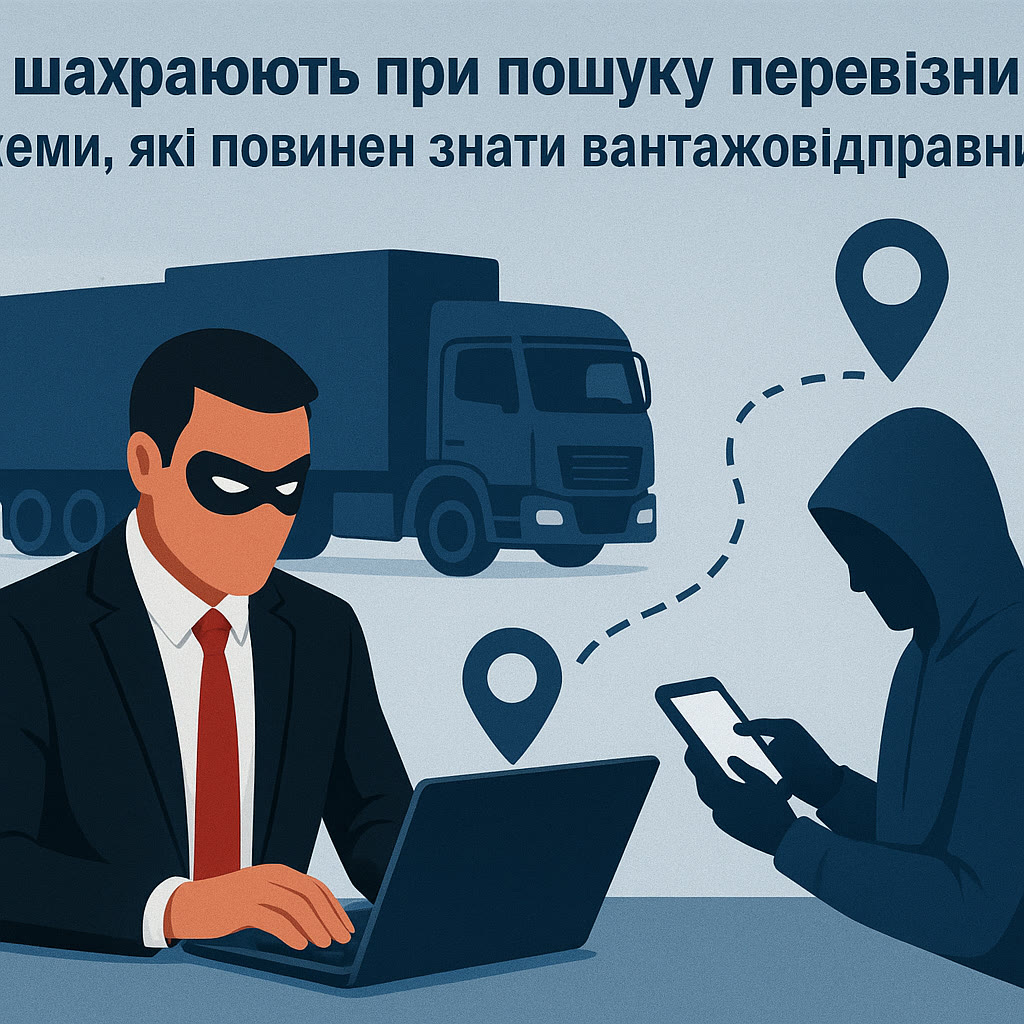
How carrier-search scams work: schemes every shipper should know
How carrier-search scams work: why shippers lose money
You urgently need a carrier, the cargo is already ready, and a chat offer appears with a price below market? In this situation it's easy to focus on speed and skip vetting the company. The problem often surfaces only after the advance payment is transferred: the contact disappears, the vehicle never arrives, and the details listed in the contract turn out to belong to someone else or have nothing to do with the real carrier.
Why the topic of fraud matters so much for Ukrainian shippers
The Ukrainian road-freight market operates amid constant change: unstable fuel prices, border queues, restrictions on certain routes, a shortage of vehicles and high costs of waiting time. For a business this means having to find an executor quickly, sometimes just a few hours before loading. It's exactly this rush that creates favourable conditions for unscrupulous intermediaries and pseudo-carriers.
The question how carrier-search scams work doesn't come up only for large companies. Manufacturers, exporters, online stores, agricultural businesses and private shippers are all exposed to the risk. A scammer may pose as a dispatcher, a logistics company or the owner of a truck, using listings, messengers, and even the genuine details of another business.
The most common mistake is judging an offer only by price and speed of response. A low rate on its own doesn't prove fraud, but it should prompt you to check why it differs so much from other offers. Likewise, a professional website, a logo and polite correspondence are no guarantee that you're dealing with a real transport company.
What losses a shipper can suffer
The consequences of a bad-faith deal depend on the specific scheme, but most often a company loses more than just money. Risks can arise at every stage of the shipment:
- advance payment — the scammer receives the prepayment and stops responding or postpones the date the vehicle is due;
- cargo — a substituted driver or vehicle picks up the goods, after which tracking them becomes difficult;
- documents — fraudsters may try to obtain copies of consignment notes, contracts, bank details and the data of responsible employees;
- time and reputation — a disrupted shipment causes downtime, penalties, loss of a client, or breach of the terms of a foreign trade contract.
It is especially dangerous when the cargo is valuable, time-sensitive, or moving through several countries. In that case a mistake in choosing an executor can lead to extra costs for finding new transport, storing the goods, and legal support. So vetting a counterparty is not a formality or unnecessary bureaucracy, but a basic element of risk management.
Why you need to check not only the company, but the specific shipment
Even a real transport company may bring in subcontractors or pass the job on to another carrier. So it's important to check not only the counterparty's name and registration details, but also the vehicle, the driver, the insurance, the route, the payment terms and the list of documents. This approach helps you spot discrepancies before loading, rather than after the cargo or the money has disappeared.
Next, let's look at the specific schemes scammers use, and the signs that help a shipper turn down a dangerous offer in time.
The most common fraud schemes when searching for a carrier
A fake carrier and a forged profile
One of the basic schemes starts with a listing or a reply to a cargo posting at a suspiciously good price. The fraudster presents himself as a carrier, sends photos of the vehicle, copies of documents, and quickly agrees to the route. Sometimes he uses the name of a company that really exists, but gives different phone numbers, email addresses or bank details.
A fake operator may have a social media page, a website with a templated description of services, and even positive reviews. But none of these signs confirm that the company is real. You should separately verify the legal name, the EDRPOU code, the address, the phone number, and the identity of the person signing the contract. If the other side avoids a video call, doesn't explain where the documents came from, or insists on communicating only through a messenger, that's a reason to pause the agreement.
"A low price is not proof of fraud, but a sharp deviation from the market rate calls for an explanation and additional checks."
Swapped contacts, swapped bank details, and demands for prepayment
In schemes involving swapped bank details, scammers may intercept correspondence, send an invoice with a new IBAN, or claim the company is "temporarily" accepting payment to an individual's card. Another variant is a spoofed domain that differs from the company's real address by a single letter. The shipper pays for the service, but the money doesn't reach the carrier.
Prepayment may be demanded under various pretexts: to book a vehicle, buy fuel, arrange a pass, or guarantee that the vehicle will show up. The mere fact of an advance payment doesn't mean fraud, but the combination of urgency, pressure and unclear refund terms is dangerous. Bank details need to be confirmed through an independent channel — for example, a phone number taken from the official website, not from the latest message.
An unauthorised intermediary, a risky subcontractor, and document manipulation
A dispatcher or freight forwarder may genuinely be looking for transport on the customer's behalf, but sometimes has no right to sign the contract, accept payment, or change the shipping terms. After receiving the order and the advance, such an intermediary disappears or passes the job on further without proper control. As a result, the shipper doesn't know who is actually responsible for the goods.
A separate risk is theft through a subcontractor. A real carrier may bring in a third-party vehicle but fail to check the driver, the vehicle and the documents. The person who shows up for loading has details that don't match what was declared, or the vehicle carries forged or someone else's plates. After the cargo is picked up, contact is cut off.
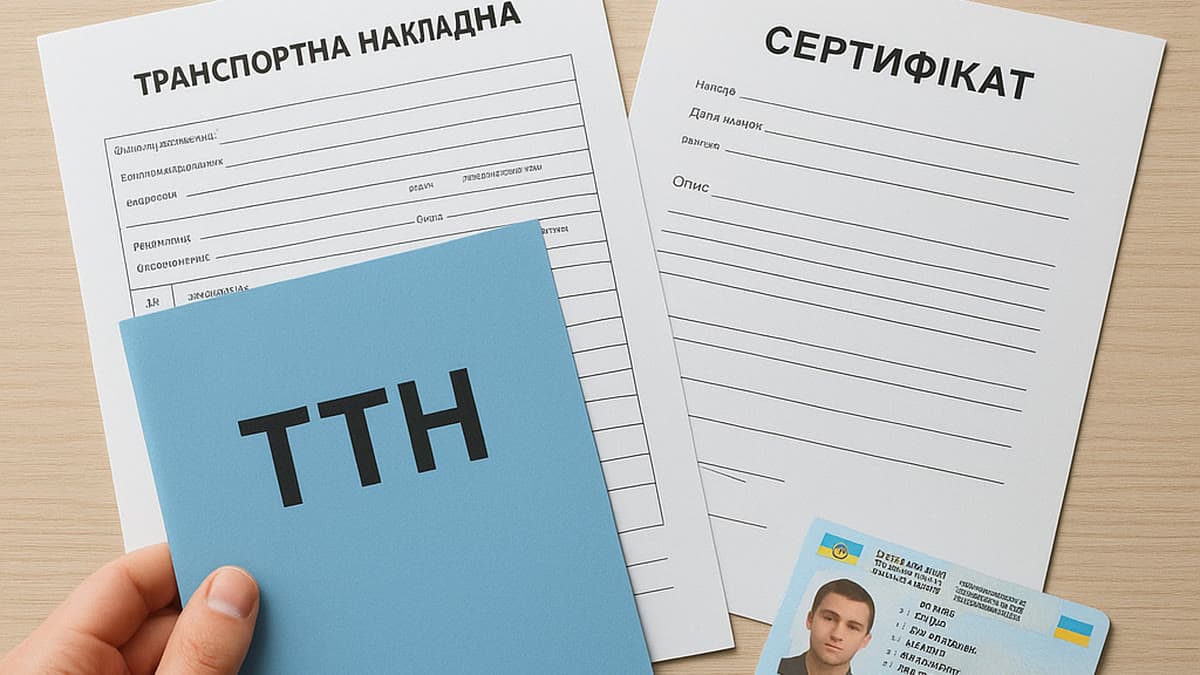
Document manipulation covers forged contracts, orders, powers of attorney, consignment notes and insurance policies. A document may look convincing but list a different legal entity, altered bank details, or an incorrect description of the cargo. That's why it's important to check documents as a set, and to verify the driver's and vehicle's data right before loading.
"Responsibility for the cargo should be clear before it's handed over: who is receiving the goods, on what basis, and under which documents."
These signs don't always automatically prove fraud, but their combination should halt the deal until the check is complete. In questions of how carrier-search scams work, what matters most is noticing not a single signal, but the contradictions between the company, the documents, the payment and the actual executor.
How to spot a suspicious shipping offer
Signals that should put a shipper on alert
A suspicious offer rarely looks like obvious fraud from the very first message. More often the scammer combines several plausible details: names the make of the vehicle, sends a template contract, and promises the vehicle will arrive quickly. At the same time, contradictions remain in his behaviour that can be spotted even before the cargo is handed over or the money is transferred.
You need to assess not a single signal, but the whole picture. A low price may be the result of a free vehicle or a short route, and a new phone number may be the result of an operator change. But when such circumstances combine with pressure and a refusal to provide confirmation, the risk grows significantly.
- An unusually low price. An offer that's significantly cheaper than several other options, with no clear explanation, may be bait for getting an advance payment or access to cargo data.
- Rush and pressure. Phrases like "pay within the hour", "we already have another client waiting", or "we'll send the documents after the transfer" are no substitute for a proper check.
- Refusal of a video call. If the representative constantly avoids a short call, won't show the office, or can't introduce a responsible manager, that's a solid reason to be cautious.
- A new or unverified phone number. A phone number that doesn't appear on the company's official channels needs to be checked through an independent contact channel.
- No insurance. A refusal to provide a valid insurance policy, or a vague explanation of risk coverage, makes it harder to protect the cargo.
How to check for discrepancies before loading
Before agreeing, you should compare the company name, the EDRPOU code, the address, the email domain, the bank details, and the signatory's information. They should match across the contract, the order, the invoice and the correspondence. If you're asked to transfer money to the account of a different legal entity or an individual without a clear explanation and documentary confirmation, it's better not to proceed with the deal until the circumstances are clarified.
The vehicle and the driver are checked separately: the licence plate, the make, the body type, the contact phone number, the ID document, and the power of attorney or other grounds for receiving the cargo. This data should be verified right before loading, since it can be changed after the contract has already been signed.
The terms of liability are no less important. The contract and the order should clearly define the moment the cargo is accepted, the carrier's obligations, the procedure in case of delay, damage or loss, and the documents confirming the transfer of the goods. Wording such as "no liability is provided" or "all risks are on the customer" calls for legal review.
In the context of how carrier-search scams work, the main rule is simple: don't hand over the cargo and don't pay for the service until the key data has been confirmed from independent sources. A conscientious operator can explain the terms, provide documents, and stay calm about a well-founded check.
How to vet a carrier before signing the contract
Start by checking the company or sole proprietor in open data
Before signing the contract, you need to establish exactly who is providing the service: a legal entity, a sole proprietor, or an intermediary. Ask for the full company name, the EDRPOU code or the taxpayer number (RNOKPP), the registered address, the phone number, the email address, and the bank details. This data should match across the contract, the invoice, the order and the shipping documents.
- Look the company or sole proprietor up in the Unified State Register (EDR) through official services and check the status, the registration date, the lines of business, and the director.
- Watch for discrepancies: a different payee name, an outdated status, no transport-related line of business, or an address that doesn't appear in the documents provided.
- If needed, check the tax status, any outstanding debt, and court mentions in the available state or professional databases.
A long track record on its own doesn't guarantee reliability, and a newly registered sole proprietor isn't necessarily fraudulent. It's important to weigh the whole set of circumstances: registration data, real contact, experience on the route you need, documents, and willingness to stand behind their obligations.
"Check not the nice-looking name in the messenger, but the actual person or company that signs the contract and receives the payment."
Check the transport documents, insurance, and authority
Ask for the vehicle's documents and check whether its make, licence plate, body type and payload match the terms of the order. If the vehicle doesn't belong to the carrier, it should be clear on what basis they're using it: rental, leasing, or subcontracting. For an international route, additionally clarify the documents needed to cross the border and the requirements of the specific country.
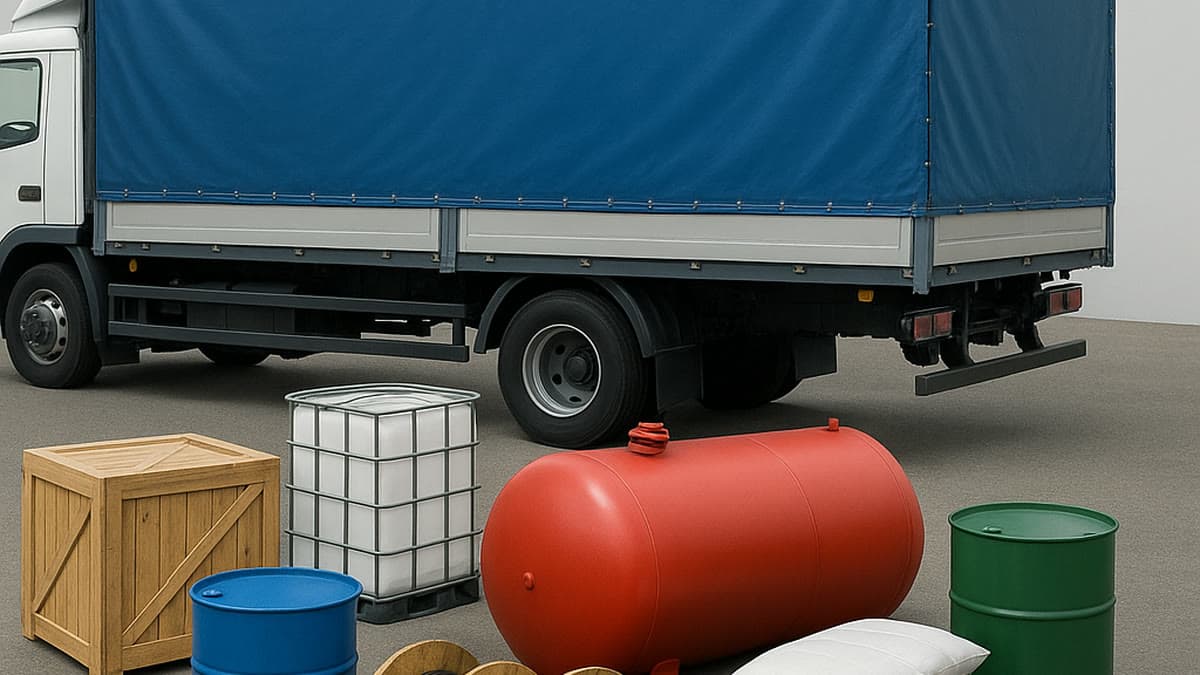
The insurance policy shouldn't be checked by its number alone. Pay attention to the validity period, the insurer, the risks covered, the liability limits, the territory of coverage, the exclusions, and whether it matches the type of cargo. A carrier's civil liability policy doesn't always cover the full value of the goods, so the insurance terms should be fixed in the contract.
If a dispatcher is handling the order, ask for confirmation of their authority: a contract with the carrier, a power of attorney, or another document establishing the right to agree the price, sign the order, and accept payment. During loading, the driver must present an identity document, and their details, the vehicle number, and the trailer number should be checked against the order.
Assess reviews, bank details, and the final terms of the contract
Look for reviews on several independent platforms and check how specific they are. A large number of similar comments with no description of routes is not reliable confirmation. It's more useful to ask for a recommendation from a real client, or documents confirming similar shipments were carried out, with confidential data redacted.
Before paying, call the number from an official source and confirm the bank details. Don't rely solely on a message about a change of details in the chat. In the contract, record the route, the deadlines, the price, the payment procedure, liability for loss or damage, the terms for bringing in a subcontractor, and the list of documents to be provided after delivery.
This approach helps you understand how carrier-search scams work before any financial loss occurs: the fraud is often revealed precisely in the discrepancies between the bank details, the authority, the documents, and the actual executor.
What to do if there are signs of fraud, or the cargo has already disappeared
First steps: stop the payment and record the evidence
If a shipping offer looks suspicious, don't transfer the advance payment and don't send further documents until the check is complete. If the payment has already been initiated, contact your bank immediately through an official number and ask whether the transaction can be stopped, recalled, or disputed. Speed matters in this situation: the bank doesn't guarantee the money will be returned, but an early report can help block the payment or record the fraud attempt.
Don't delete the correspondence, even if the other side starts making threats or blocks your number. Save the messages, emails, voice recordings, phone numbers, profile links, listings, invoices, contracts, orders, and payment instructions. Take screenshots that clearly show the date, time and sender's details. Separately, put together a timeline of events: when the order was placed, who confirmed what, which details were provided, and when the payment or loading took place.
- don't give the scammer new copies of documents, confirmation codes, or bank card details;
- don't alter the content of the correspondence yourself, and don't post unfounded accusations;
- keep the original files, the metadata, and proof of the transfer;
- if access to your email or account has been compromised, change your passwords and turn on two-factor authentication.
What to do if the cargo has already been picked up or has disappeared
Contact the carrier immediately through every known channel, not just the driver. Send a written request asking them to report the location of the vehicle, the driver, and the cargo, but don't agree to any new payments "for the search", "for unblocking", or "for the return of the goods". If the order was placed through a logistics platform, a marketplace, or a freight forwarder, notify them of the incident and ask them to preserve the profile data, the contact log, and the counterparty's documents.
The insurance company should be informed as soon as possible, in line with the terms of the policy. Clarify the list of required documents, the notification deadlines, and the procedure for assessing the loss. Prepare the contract, the consignment notes, the invoices, a description and value of the cargo, the vehicle's data, the driver's documents, the route, and all correspondence materials.
Reporting to the police and limiting further losses
If there are signs of theft of funds, forged documents, or the theft of the cargo, file a report with the police. In an urgent situation, call 102, and also go to the nearest police station with a written statement. In it, lay out the circumstances in order, list any known details of the person or company, the amount of the loss, the payment details, the route, and attach copies of the evidence. Ask them to register the report and tell you its number.
If needed, separately notify the cyber police units through official state channels, if the fraud took place through a website, a messenger, or email. At the same time, bring in a lawyer to prepare a claim, negotiate with the insurer, and draw up demands against the carrier or intermediary. Inform the consignee, your warehouse, and your partners, to prevent the goods being handed over again or the stolen documents being used again.
Understanding how carrier-search scams work helps not only spot fraud, but also act without panic: stop the payments, preserve the evidence, notify the relevant services, and limit further losses.
Frequently asked questions about a safe carrier search
Can you work with a dispatcher or another intermediary?
Yes, but their role and authority must be transparent. An intermediary can organise the search for a vehicle, agree the route, and coordinate the documents, but the shipper needs to understand who is the party to the contract and exactly who they're paying. Ask for the company name or sole proprietor's details, the EDRPOU code or RNOKPP, the contract with the actual carrier, and a document confirming the intermediary's right to act on their behalf.
The contract or order should state whether the intermediary is responsible for choosing the carrier, the documents, the payment, and any losses. If they're only passing on contacts, that should be explicitly recorded. Don't agree to transfer funds to a personal card without a clear legal basis. In the context of how carrier-search scams work, it's precisely an intermediary's unclear status that often creates a situation where, after a problem occurs, each side shifts responsibility onto the other.
When is prepayment acceptable, and what documents should you request?
Prepayment can be justified if it's provided for in the contract, the carrier has been vetted, and the amount and the refund procedure are clearly defined. It's safer to agree on staged payments tied to specific events: the arrival of a roadworthy vehicle, the acceptance of the cargo, delivery, and the handover of the confirming documents. The payee's bank details should be checked through an independent channel and matched against the legal entity named in the contract.
Before signing the documents, ask for the company's or sole proprietor's registration details, the contract or shipping order, the vehicle's documents, the driver's details, a valid insurance policy, and, if needed, the documents required for an international route. Check the validity period, whether the bank details match, and whether the insurance actually covers your type of cargo and the declared risks. Copies of documents shouldn't replace checking the originals or confirmation through official sources.
"A safe prepayment isn't a matter of trust — it's the result of vetting, a contract, and clear refund terms."
How do you check the driver, and who is responsible for the cargo in case of subcontracting?
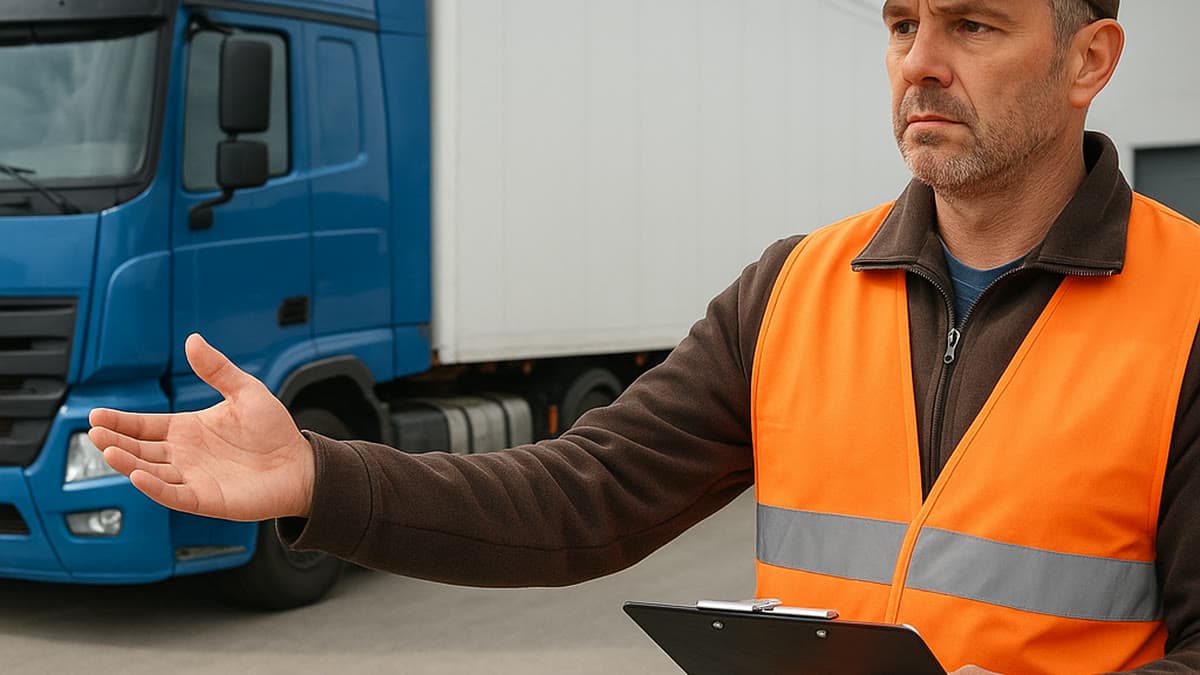
Before loading, check the driver's passport or other identifying details, their phone number, and the make and licence plate of the vehicle and trailer against the order. The driver must confirm their authority to accept this specific cargo. If the actual vehicle or person doesn't match the previously agreed details, it's better to pause loading until you get written confirmation from the responsible party.
In the case of subcontracting, the contract should explicitly define who is responsible for the actions of the subcontracted carrier, the safekeeping of the cargo, the documents, and compensation for losses. It's usually important for the customer to have one clearly defined responsible party — the one with whom the contract was signed — but the final assessment depends on the terms of the deal and the applicable law. The fact that a subcontractor was brought in shouldn't be hidden: their details, vehicle, and insurance should be agreed before loading.
Conclusion: how not to become a victim of fraud when searching for a carrier
A safe carrier search doesn't start with the lowest price, but with vetting the counterparty. The shipper needs to check the company's or sole proprietor's registration details, the bank details, the vehicle's documents, the driver's details, the insurance policy, and the intermediary's authority. If the information in the contract, the invoice, and the correspondence doesn't match, loading or payment should be paused until the circumstances are clarified.
All key terms should be recorded in writing: the route, the deadlines, the price, the prepayment procedure, liability for loss or damage to the cargo, the possibility of subcontracting, and the list of documents to be provided after delivery. The handover of the goods to the driver should be confirmed by proper documents, and their details and the vehicle's licence plate should be checked right before loading.
An offer that's too good, pressure to make an urgent payment, a refusal to provide documents, or avoiding direct contact don't automatically prove fraud, but they are strong signals calling for an additional check. Insurance shouldn't be treated as a formality either: it's important to know exactly which risks and which value of the cargo the policy covers.
Understanding how carrier-search scams work helps you act calmly and consistently. Vetting before signing the contract, caution with prepayment, control over subcontractors, and keeping correspondence significantly reduce the risk of losing money, cargo, and time. And if suspicion arises only after payment or the goods have been handed over, you need to contact the bank, the carrier, the insurance company, and law enforcement immediately, while preserving all the evidence.

Related posts

Do you have cargo or transport?
Post your offer — and find the right partner today.